Memorial Day word search PDFs combine patriotic themes with educational fun, offering printable puzzles that honor fallen heroes. These PDFs feature flag motifs, bugle sounds, and military terms, making them ideal for classrooms, family gatherings, and community events. They are free downloadable!!
Purpose of the Word Search
Memorial Day word search PDFs serve a dual role: remembrance and recreation. By embedding terms such as Afghanistan, Air Force, American Revolution, Army, bugle, casualty, cemetery, ceremony, civil war, Coast Guard, commemorate, country, courage, Decoration Day, defend, family, fireworks, flag, participants can actively engage with the history that underpins the holiday. The puzzle format encourages focused attention, making it easier for students, teachers, and families to recall key facts while enjoying a lighthearted activity. Additionally, printable PDFs allow for offline use, ensuring accessibility in classrooms, libraries, and home settings where internet connectivity may be limited. The inclusion of iconic symbols—such as the flag and bugle—helps reinforce visual memory, while the word list offers a structured learning tool that can be adapted for different age groups or difficulty levels. Ultimately, the purpose is to create an interactive tribute that blends education with celebration, fostering a deeper appreciation for the sacrifices that shape the nation.By distributing these PDFs in both digital and print formats, educators can easily adapt the activity to suit classroom needs, ensuring that every student has the opportunity to participate and reflect on the significance of Memorial Day, while providing a versatile resource that can be reused in lessons or shared with other teachers to promote a broader understanding of national history and civic responsibility.
Target Audience
Memorial Day word search PDFs are crafted for a diverse group of users. Primary audiences include elementary and middle‑school students who benefit from interactive vocabulary drills that reinforce key terms such as Afghanistan, Air Force, American Revolution, Army, bugle, casualty, cemetery, ceremony, civil war, Coast Guard, commemorate, country, courage, Decoration Day, defend, family, fireworks, flag. Teachers can integrate the puzzles into lesson plans, using the printable format to facilitate classroom activities, group work, or homework assignments that celebrate the holiday while reinforcing spelling and comprehension skills. Parents and family members enjoy the PDFs at home, turning a quiet afternoon into a shared moment of reflection and learning. Community centers, libraries, and veterans’ organizations also find value in distributing the puzzles during memorial events, fundraisers, or educational workshops, as the activity encourages discussion about sacrifice and service. The design accommodates various skill levels, allowing beginners to tackle simpler grids and advanced learners to tackle more complex layouts. By offering a free, downloadable resource, the PDFs become an inclusive tool that supports educators, families, and community groups in honoring the nation’s heroes while fostering a sense of collective remembrance and educational engagement. Because the PDFs are available in both PDF and PNG formats, users can choose the file type that best suits their printing or digital needs, ensuring maximum accessibility across devices. Moreover, the inclusion of a searchable word list allows educators to track progress and tailor subsequent lessons, making the resource adaptable to diverse learning objectives. Finally, the resource’s open‑access nature encourages sharing among schools, churches, and civic groups, expanding its reach and impact.
Relevance to Memorial Day Observances
Memorial Day word search PDFs are interactive tribute tools that weave key vocabulary—Afghanistan, Air Force, American Revolution, Army, bugle, casualty, cemetery, ceremony, civil war, Coast Guard, commemorate, country, courage, Decoration Day, defend, family, fireworks, flag—into engaging puzzles. They deepen public engagement with themes of sacrifice, remembrance, and patriotism, making the holiday’s solemnity accessible to all ages. During parades, ceremonies, and flag‑raising events, educators and community leaders distribute the PDFs to reinforce remembrance while offering constructive activities for children and adults alike. The printable format allows immediate use at memorial services, veterans’ gatherings, or school assemblies, ensuring the activity fits diverse settings without specialized software. Visual cues such as flag motifs or bugle icons enhance symbolic resonance, reminding participants to historical context and personal stories behind each term. By providing a free, accessible resource, the PDFs democratize education, enabling families across socioeconomic backgrounds to share a learning experience that honors those who served. The activity supports reflection, encouraging participants to contemplate words like “commemorate” and “courage” within national sacrifice. In this way, the word search becomes a living tribute that aligns with the commemorative spirit of Memorial Day observances, fostering unity, remembrance, and enrichment simultaneously. It encourages shared remembrance soon!
Historical Background of Memorial Day
Memorial Day began as a post‑Civil War tribute, evolving from local cemetery visits to national observances. It grew from 1868 memorials to Decoration Day, and finally to the 1948 federal holiday honoring all fallen soldiers. The word search PDF echoes this legacy. It blends remembranceand valor.
Origins and Early Observances
After the Civil War, communities began to honor fallen soldiers by visiting graves and placing flowers. In 1865, a small ceremony in Columbus, Ohio, marked the first official memorial day. By 1868, the U.S. Congress authorized a national day of remembrance, and local churches organized candlelight vigils. Early observances were modest, often held on May 30, and focused on quiet reflection. Families gathered to read letters, share stories, and lay wreaths on gravesites. The tradition spread through the South and North, with local newspapers reporting on the solemn gatherings. In 1875, the first national memorial day parade was held in Washington, D.C., featuring veterans, marching bands, and flag‑bearing. The day’s significance grew as more towns adopted official ceremonies, and the practice of decorating graves with flags became common. These early observances laid the groundwork for the modern holiday, emphasizing remembrance, gratitude, and community solidarity. The first recorded memorial day in the United States was held in 1865 in Columbus, Ohio, where veterans and civilians gathered to honor the dead. By 1867, the day was observed in several states, with wreaths laid at battlefields and the first flag‑penned ceremonies. The early observances were largely community‑driven, with local leaders coordinating the events. Many towns held parades, and some schools incorporated memorial lessons into their curricula. The tradition of placing a white flag on graves became a symbol of respect that persists today. Over time, the observance expanded beyond May 30, with the federal government eventually standardizing the holiday in 1948. These early practices fostered a sense of national unity and set a precedent for future commemorations.
Evolution to Modern Celebrations
By the mid‑20th century, Memorial Day had become a nationwide holiday, with parades, flag‑raising ceremonies, and patriotic music. The federal law of 1948 officially designated the last Monday in May as Memorial Day, creating a long weekend. Schools incorporated lessons about veterans, while businesses closed for the day. The holiday expanded beyond remembrance to include community service, volunteer clean‑up projects at veterans’ cemeteries, and memorial parks. Modern observances feature large parades in Washington, D.C., and New York, where marching bands, veterans’ groups, and flag‑bearing units perform. Television networks broadcast special programming, and social media campaigns encourage people to share stories of fallen heroes. The tradition of placing a white flag on graves remains central, while new traditions, such as the “Flag‑Penny” program, allow families to purchase a flag for a fallen soldier’s grave. Memorial Day also serves as a reminder of the nation’s history, fostering patriotism and civic pride. The holiday’s evolution reflects a growing emphasis on honoring service, promoting community engagement, and educating younger generations about the cost of freedom. As a result, Memorial Day has become a multifaceted celebration that blends solemn remembrance with public festivities, community service, and patriotic displays, ensuring that the sacrifices of those who serve as a living reminder of the sacrifices made.
xxxxxxxxxxxxxxxxxxxxxxxxxxxxxxxxxxxxxxxxxxxxxxxxxxxxxxxxxxxxxxxxxxxxxxxxxxxxx
Memorial Day and National Symbols
Memorial Day intertwines very deeply with national symbols, reinforcing the solemnity and spirit verydeeplyofthe holiday.
Designing a Memorial Day Word Search Puzzle
Choose words like bugle, flag, cemetery, battle, and courage. Arrange them in a grid that balances difficulty and clarity. Add icons such as a flag or bugle silhouette to enhance visual appeal, ensuring the puzzle remains engaging for all ages.
Choosing Thematic Words

When crafting a Memorial Day word search PDF, the first step is to curate a list of keywords that resonate with the holiday’s spirit. Start with core concepts such as flag, bugle, cemetery, battle, and courage. Expand the list by adding related terms that reflect the broader context of remembrance: Afghanistan, Air Force, American Revolution, Army, Coast Guard, civil war, Decoration Day, defend, family, fireworks, country, commemorate, ceremony, casualty, battle, barbecue, afghanistan, afghanistan. Use the word bank from resources like The Holiday Zone, which offers a ready‑made list of 2008 holiday terms. Selecting words that are both familiar and meaningful ensures that solvers of all ages can engage with the puzzle while honoring the sacrifices commemorated on Memorial Day. When finalizing the list, balance difficulty by mixing short, common words with longer, less frequent ones. This approach keeps the puzzle challenging yet approachable, making the PDF a valuable educational tool for schools, community centers, and family gatherings. The PDF format allows educators to embed the puzzle into plans, while families can print and share it during memorial ceremonies, ensuring that every participant can reflect on the values of sacrifice, unity, and remembrance.
Grid Layout and Complexity Levels
Designing the grid for a Memorial Day word search PDF involves careful consideration of size, orientation, and difficulty. A typical beginner layout uses a 15×15 square, allowing 10– to fit horizontally, vertically, or diagonally. For intermediate puzzles, expand to 20×20, increasing word count to 15–20 and adding reverse placements. Advanced users may opt for 25×25 grids, The choice of grid size directly influences the puzzle’s complexity: larger grids demand more scanning and pattern recognition, while smaller grids offer quicker completion for younger audiences. To balance challenge, mix word lengths; short words (3–4 letters) should be interspersed with longer ones (7–9 letters). Additionally, consider using a “no repeat” rule, where each letter is used only once, to heighten difficulty. When publishing in PDF format, ensure the grid is printed on high‑resolution paper so that the letters remain legible. Finally, test the puzzle with a sample group to confirm that the difficulty level matches the intended audience, adjusting word placement or grid size as needed before final distribution.By tailoring the grid size and word placement, educators can align the puzzle with lesson objectives, while families can use it as a reflective activity during memorial ceremonies. The PDF format ensures easy sharing and archival, preserving the memory of sacrifice future generations.
Incorporating Visual Elements (e.g., flag, bugle)
Adding visual motifs to a Memorial Day word‑search PDF turns a simple puzzle into a commemorative experience. Start with a subtle flag outline that frames the grid; the flag’s stripes can double as invisible separators between word groups, guiding the eye without clutter. Next, embed a small bugle icon near the top corner; the bugle’s silhouette can be drawn in a single line, echoing the solemn call to honor. Use a muted color palette—deep navy, crisp white, and a touch of red—to keep the focus on the letters while reinforcing patriotic symbolism. For advanced editions, layer a faint cemetery background behind the grid, using a low opacity so the letters remain readable. This background can feature stylized gravestones or a quiet grove, adding depth without distracting. Finally, include a discreet “In Honor” banner at the bottom, written in a serif font that matches the flag’s style. The banner can contain a small ribbon icon, a nod to military decorations. All visual elements should be vector‑based so they scale cleanly when printed, ensuring the PDF remains crisp on any device or paper size. By weaving these icons into the layout, the puzzle becomes both an educational tool and a tribute to those who served. The PDF design also incorporates a subtle watermark of the national flag, placed diagonally across the grid to honor the service of all veterans, while ensuring the watermark does not interfere with the readability of the puzzle, striking a balance between tribute and playability.!
PDF Format for Printable Word Searches
PDFs offer a reliable, device‑agnostic format that preserves layout, fonts, and embedded images. Unlike PNGs, PDFs maintain crisp lines and text clarity, ensuring the flag and bugle graphics stay sharp on any printer. They also support secure permissions and easy sharing.PDFs support watermarks.
Advantages of PDF over PNG
PDFs excel over PNGs for Memorial Day word search PDFs because they preserve vector graphics, ensuring that flag and bugle icons remain crisp at any zoom level. Unlike PNGs, PDFs maintain text formatting and page layout, preventing distortion when printed on different paper sizes. They also support embedded fonts, so the patriotic words appear consistently across devices. PDFs can include metadata, such as author and title, which helps catalog the puzzle in libraries or online repositories. Additionally, PDFs allow for password protection and digital signatures, offering a secure way to distribute official commemorative materials. The file size of a well‑compressed PDF is often smaller than a high‑resolution PNG, making downloads faster and storage more efficient. Finally, PDFs are universally supported by printers, ensuring that the celebratory design is reproduced exactly as intended, which is essential for honoring the solemnity of Memorial Day. Moreover, PDFs provide accessibility features like selectable text, enabling screen readers to interpret the content for visually impaired users. They also support hyperlinks, allowing educators to link to related historical resources directly within the document. PDFs also facilitate version control, so updates to the word list can be tracked and distributed without confusion. Thus, choosing PDF ensures a professional, reliable, and user‑friendly experience for all Memorial Day celebrations. PDFs also support embedded audio, letting bugle calls play during puzzle. PDFs.
Ensuring Compatibility Across Devices
To guarantee that a Memorial Day word search PDF displays correctly on smartphones, tablets, laptops, and desktop computers, designers should embed standard fonts and avoid proprietary glyphs that may not render on all platforms. Using the PDF/A standard ensures long‑term preservation and compatibility with archival software. The file should be optimized for both high‑resolution screens and low‑bandwidth connections by compressing images without sacrificing the sharpness of flag icons or bugle illustrations. Responsive design is less relevant for PDFs, but including a single‑column layout with ample white space allows the puzzle to scale naturally when zoomed. Test the PDF on popular operating systems—Windows, macOS, iOS, Android—and on browsers such as Chrome, Safari, Edge, and Firefox. Employing the PDF/UA accessibility standard adds tags that screen readers can interpret, making the content inclusive for users with visual impairments. Finally, provide a lightweight version of the PDF in a separate download link for devices that struggle with large file sizes. By following these best practices, educators and event planners can distribute a seamless, universally accessible memorial day word search experience;
Moreover, offering a low‑resolution preview version allows sharing on media, while the resolution PDF remains available for study. This dual‑format strategy ensures accessibility for audiences, regardless of capabilities or internet speed.!!!
Licensing and Copyright Considerations
When creating or distributing a Memorial Day word search PDF, it is essential to respect intellectual property rights. Many of the words and images commonly used—such as “bugle,” “civilians,” or a stylized flag—are generic and fall under public domain, but specific designs or photographs may be protected. If you incorporate images from sites like The Holiday Zone (http://www.theholidayzone.com/), you must verify that the content is licensed for reuse or that you have obtained explicit permission. The 2008 “Memorial Day Challenge” collection, for example, lists a variety of military terms; while the list itself is not copyrighted, the accompanying graphics may be.
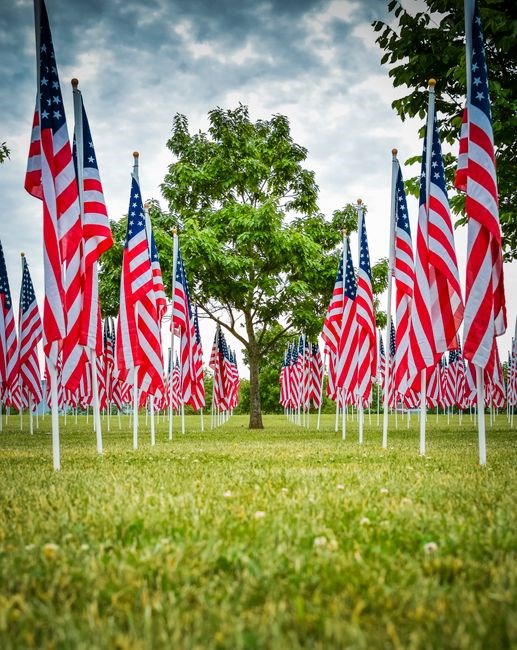
- Use Creative‑Commons‑licensed images that allow commercial use without attribution, or provide proper credit if required.
- Generate your own illustrations or use free vector resources that are explicitly labeled as public domain.
- Include a clear copyright statement in the PDF footer, indicating the creator’s name and the year of publication.
- Offer a license key or a simple “All Rights Reserved” notice if the content is proprietary.
Finally, remember that PDFs can be easily duplicated. To stay compliant, embed a watermark or a unique identifier that signals ownership. By following these guidelines, you can distribute a legally sound Memorial Day word search PDF that honors the holiday while respecting creators’ rights. You PDF will ready for sharing and printing.!!!