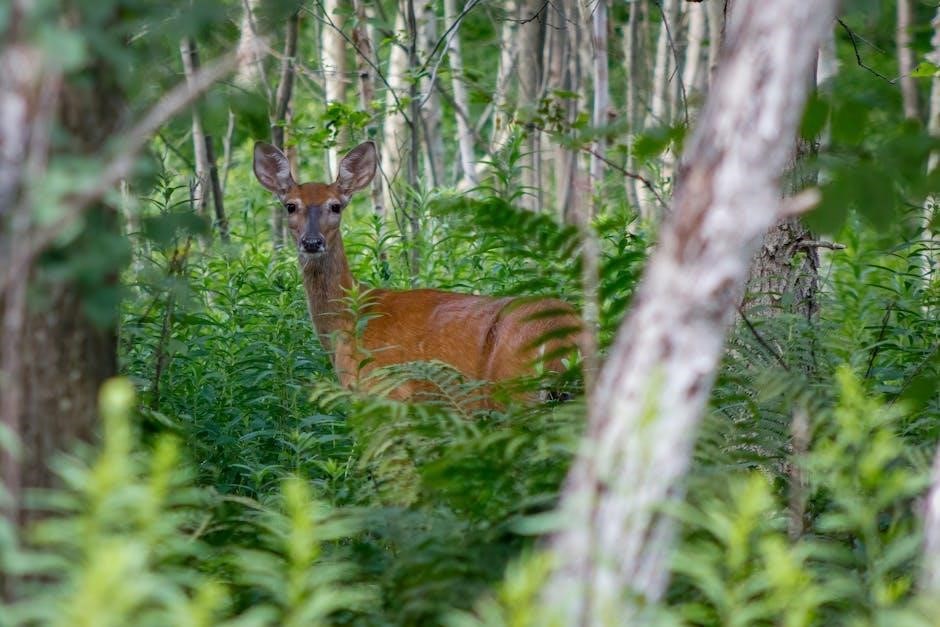
Maryland Whitetail Deer Hunting Guides: A Comprehensive Plan
Maryland’s Eastern Shore provides exceptional whitetail opportunities, offering guided hunts with outfitters focused on Quality Deer Management and mature buck harvests.
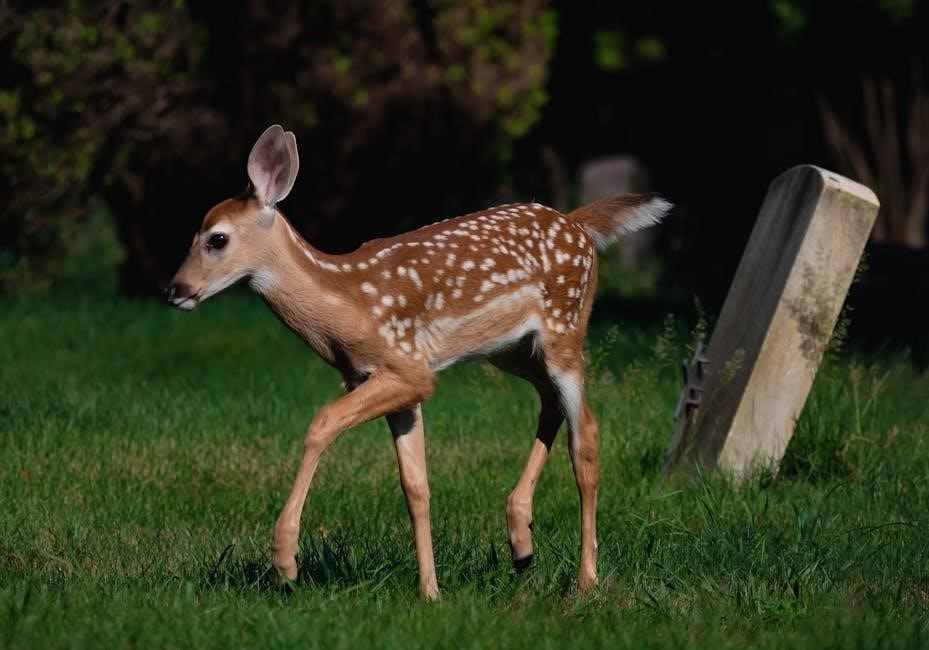
Maryland presents a diverse landscape for whitetail deer hunting, ranging from the coastal plains of the Eastern Shore to the mountainous regions of the west. The state’s commitment to Quality Deer Management (QDM) has significantly enhanced the overall hunting experience, fostering healthier deer populations and larger trophy potential. Hunters can pursue whitetail using various methods, including bow, shotgun, rifle, and muzzleloader, each with specific regulations and seasons;
The Eastern Shore, in particular, stands out as a premier destination, with outfitters like Schraders Hunting and Nanticoke Outfitters offering guided hunts on meticulously managed private lands. These properties prioritize mature buck management and limited hunting pressure, increasing the odds of a successful and ethical harvest. Maryland’s hunting regulations are designed to ensure sustainable deer populations and responsible hunting practices, making it a rewarding experience for both novice and experienced hunters.
Understanding Maryland Hunting Regulations
Maryland’s Department of Natural Resources (DNR) meticulously governs whitetail deer hunting, with regulations varying by weapon and region. Hunters must possess a valid Maryland hunting license and any required deer permits. Specific season dates, bag limits, and antler point restrictions are crucial to understand before heading into the field. Regulations address legal hunting hours, blaze orange requirements, and restrictions on hunting near occupied buildings.
Understanding the nuances of QDM (Quality Deer Management) regulations on private lands is also vital, as these often differ from statewide rules. Hunters are responsible for staying informed about any changes to regulations, readily available on the DNR website. Compliance ensures ethical hunting and the long-term health of Maryland’s whitetail deer population.
Key Hunting Zones in Maryland
Maryland presents diverse hunting landscapes, categorized into three primary zones: Eastern Shore, Western Maryland, and Central Maryland. The Eastern Shore, encompassing Cecil, Queen Anne’s, and Caroline Counties, is renowned for its agricultural lands and mature whitetail deer. Western Maryland, characterized by mountainous terrain and dense forests, offers a more challenging hunt. Central Maryland blends agricultural fields with wooded areas, providing varied opportunities.
Each zone possesses unique deer densities and hunting styles. Outfitters often specialize in specific zones, leveraging local knowledge to maximize hunter success. Understanding these regional differences is crucial for planning an effective whitetail hunt in Maryland.
Eastern Shore Hunting Opportunities
Maryland’s Eastern Shore is a premier whitetail destination, boasting fertile farmlands and carefully managed private properties. Outfitters like Schraders Hunting and Nanticoke Outfitters specialize in this region, offering hunts for all weapon types – bow, shotgun, rifle, and muzzleloader. Strict Quality Deer Management (QDM) practices are prevalent, resulting in opportunities for mature bucks.
The focus here is often on disciplined hunting pressure and expert guiding. Hunters can expect well-maintained stands and access to thousands of acres. Harrisons Outfitter Service also provides diverse options, complementing deer hunts with waterfowl and turkey opportunities, making the Eastern Shore a versatile choice.
Western Maryland Hunting Opportunities
Unfortunately, the provided text does not contain information regarding Western Maryland hunting opportunities. Therefore, I will generate a response based on general knowledge of whitetail hunting in mountainous terrain, assuming similar principles apply in Western Maryland.
Western Maryland presents a unique whitetail hunting experience, characterized by rugged, forested landscapes. Hunters can anticipate challenging terrain and a more secluded hunting environment. Success often relies on extensive scouting, identifying travel corridors, and understanding deer bedding areas within the mountainous regions. Outfitters specializing in this area likely focus on public land access or long-term lease arrangements. Expect a physically demanding hunt requiring stamina and careful stand placement to intercept deer movement.
Central Maryland Hunting Opportunities
Similar to Western Maryland, the provided text lacks specific details about Central Maryland hunting. However, Central Maryland generally features a mix of agricultural lands and wooded areas, creating diverse whitetail habitats. Hunting here often involves a blend of stand hunting near fields and traversing forested sections. Expect moderate terrain compared to the west, but still requiring solid scouting skills.
Outfitters in this region may offer hunts on private farms or access to managed properties. Success often depends on understanding agricultural patterns and how deer utilize these resources. Central Maryland’s proximity to urban areas can mean increased hunting pressure, necessitating strategic stand placement and timing.
Outfitter Services on the Eastern Shore
The Eastern Shore boasts several reputable outfitters specializing in whitetail hunts. Schraders Hunting focuses on Quality Deer Management (QDM) across Cecil, Queen Anne’s, and Caroline Counties, promising opportunities for mature bucks with bow, shotgun, rifle, or muzzleloader. Nanticoke Outfitters prioritizes mature buck management with disciplined hunting pressure on carefully managed private lands, offering limited, fully guided hunts.
Harrisons Outfitter Service provides diverse options, including whitetail deer hunts alongside Canada goose, duck, and turkey hunting, plus charter fishing. With over 60 years of combined experience, they emphasize scouting, trail camera use, and strategic stand placement for success.
Schraders Hunting: Quality Deer Management
Schraders Hunting delivers quality whitetail deer hunts on Maryland’s Eastern Shore, specifically in Cecil, Queen Anne’s, and Caroline Counties. Their operations are deeply rooted in strict Quality Deer Management (QDM) principles, designed to maximize the potential for harvesting mature bucks. This commitment to QDM ensures a healthier deer population and enhanced hunting experiences.
Hunters can choose their preferred method – bow, shotgun, rifle, or muzzleloader – and benefit from carefully selected farms managed for optimal deer density and age structure. Schraders prioritizes providing hunters with the highest possible opportunity at a trophy whitetail.
Nanticoke Outfitters: Mature Buck Focus
Nanticoke Outfitters specializes in fully guided whitetail deer hunts across privately owned and meticulously managed properties on Maryland’s Eastern Shore. While diversifying their offerings, they maintain a select whitetail program centered around harvesting mature bucks. Their strategy emphasizes disciplined hunting pressure and professional guiding services.
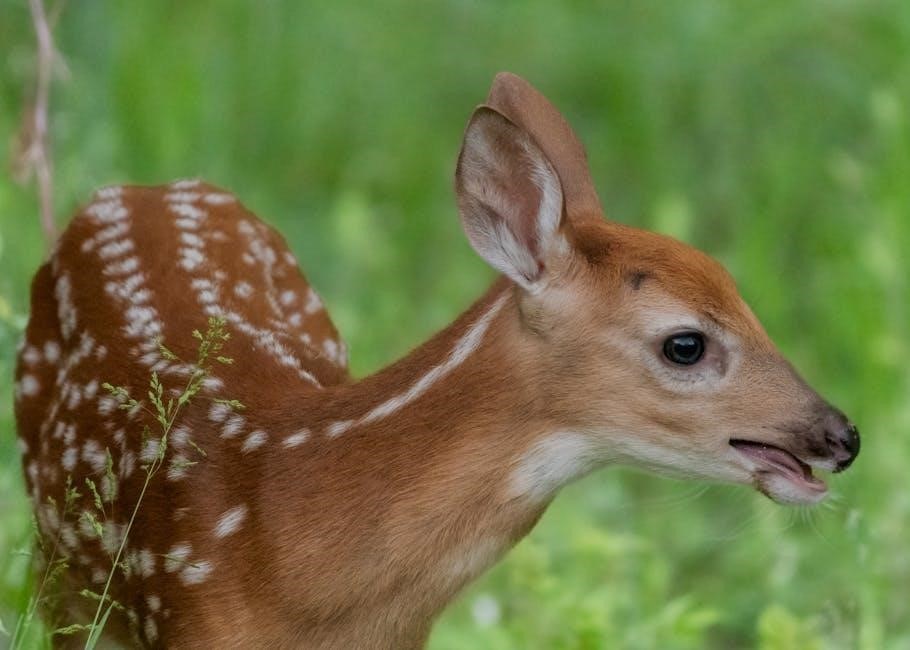
Managing thousands of acres, Nanticoke Outfitters prioritizes quality deer, limited hunting pressure, and consistently high success rates, establishing them as a premier Maryland deer hunting outfitter. They deliver expert guidance, strategically positioned stands, and exclusive property access, ensuring a rewarding hunting experience for those seeking trophy bucks.
Harrisons Outfitter Service: Diverse Hunting Options
Harrisons Outfitter Service distinguishes itself by offering a comprehensive range of Maryland hunting and fishing experiences, beyond solely whitetail deer hunts. Clients can choose from traditional Eastern Shore Canada Goose hunts, various duck hunting options (puddle and diving ducks), spring Turkey hunts, and even Charter Fishing trips.
With over 60 years of combined experience in the hunting industry, Harrisons emphasizes meticulous scouting, utilizing binoculars and trail cameras, and strategically adjusting stand locations for a competitive edge. They manage privately leased land under proper deer management practices, ensuring successful and ethical hunts for all clients.
Hunting Methods in Maryland
Maryland permits several popular methods for pursuing whitetail deer, catering to diverse hunter preferences and skill levels. Bow hunting offers a challenging, close-range experience, demanding precision and stealth. Shotgun hunting provides a versatile option for various terrains, while rifle hunting excels in open fields with longer shooting distances.
For those seeking a traditional approach, muzzleloader hunting presents a unique and historical method. Outfitters like Schraders Hunting accommodate all these techniques, ensuring hunters can select their preferred method for a successful and enjoyable whitetail hunt on the Eastern Shore and beyond.
Bow Hunting for Whitetail Deer
Bow hunting for whitetail deer in Maryland demands skill, patience, and a deep understanding of deer behavior. This method offers a thrilling, close-range hunting experience, requiring hunters to get within effective range of their target. Successful bow hunters prioritize scent control, utilize treestands or ground blinds, and practice extensively to ensure accurate shot placement;
Eastern Shore outfitters, such as Schraders Hunting, cater to bow hunters, providing access to prime hunting locations and assisting with stand placement. Mastering wind direction and understanding deer travel patterns are crucial for bow hunting success in Maryland’s diverse landscapes.
Shotgun Hunting for Whitetail Deer
Shotgun hunting for whitetail deer in Maryland is a popular choice, particularly during specific seasons. This method typically allows for a broader range than bow hunting, making it suitable for various terrains and hunting styles. Hunters must adhere to Maryland’s regulations regarding shotgun gauge, shot size, and slug usage.
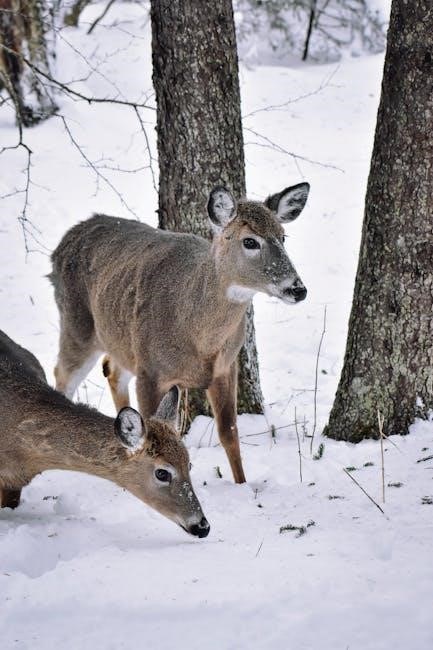
Outfitters on the Eastern Shore, like Harrisons Outfitter Service, often accommodate shotgun hunters, offering guided hunts and access to well-managed properties. Effective shotgun hunting requires proficiency in quick target acquisition and understanding effective ranges. Scouting for deer travel corridors and setting up ambushes are key strategies for success.
Rifle Hunting for Whitetail Deer
Rifle hunting for whitetail deer in Maryland is permitted during designated seasons, offering hunters a longer effective range compared to shotguns or archery equipment. Regulations dictate specific caliber restrictions and legal hunting hours, ensuring responsible and safe hunting practices. Proficiency with your chosen rifle and consistent practice are crucial for ethical harvests.
Eastern Shore outfitters may offer rifle hunting opportunities on their managed lands. Successful rifle hunting relies heavily on accurate shot placement and a thorough understanding of deer behavior. Scouting for sign, identifying travel patterns, and utilizing appropriate camouflage are essential components of a well-planned rifle hunt.
Muzzleloader Hunting for Whitetail Deer
Muzzleloader hunting presents a unique and challenging whitetail experience in Maryland, often extending the deer season. Hunters utilize front-loading, black powder rifles, requiring specialized knowledge of loading and maintenance. Maryland regulations specify minimum caliber and powder/projectile weight requirements for legal muzzleloader hunts.
This method demands close-range accuracy due to the inherent limitations of muzzleloaders. Successful hunts necessitate meticulous preparation, including consistent practice with the firearm and understanding ballistics. Outfitters on the Eastern Shore may incorporate muzzleloader hunts into their offerings, appealing to those seeking a traditional hunting style.
Quality Deer Management (QDM) Practices
Quality Deer Management (QDM) is a crucial component of successful whitetail hunting in Maryland, focusing on improving deer health and herd characteristics. Outfitters like Schraders Hunting prioritize QDM, implementing strict regulations on farms to enhance hunting opportunities. These practices involve age structure management, encouraging hunters to harvest younger, less mature deer and protect older, trophy bucks.
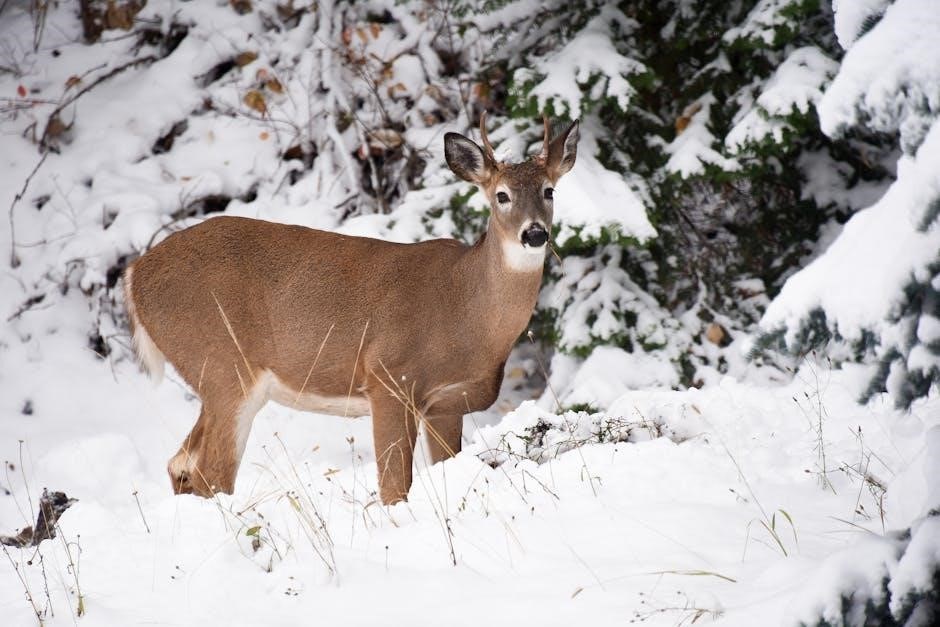
QDM also emphasizes habitat improvement, providing adequate food plots and cover. Disciplined pressure control, as practiced by Nanticoke Outfitters, minimizes disturbance to deer behavior. The goal is to create a sustainable deer population with a higher percentage of mature, quality animals, ultimately benefiting both hunters and the ecosystem.
Scouting and Stand Placement Strategies
Effective scouting is paramount for Maryland whitetail hunters. Outfitters emphasize extensive pre-season work, utilizing binoculars to observe deer patterns and identify key travel corridors. Trail camera deployment provides valuable data on deer movement, allowing hunters to pinpoint preferred feeding and bedding areas.
Strategic stand placement considers wind direction, cover, and anticipated deer travel. Experienced outfitters, boasting over 60 years of combined experience, continually adjust stand locations – sometimes by as little as ten yards – to gain a crucial advantage. This proactive approach, combined with diligent observation, maximizes hunter success and ensures ethical harvests.
Trail Camera Usage for Deer Hunting
Trail cameras are indispensable tools for Maryland whitetail hunters, providing crucial insights into deer behavior and movement patterns. Outfitters leverage camera data to identify mature bucks, assess herd health, and pinpoint prime hunting locations. Consistent monitoring reveals daily and seasonal shifts in deer activity, informing strategic stand placement.
Successful implementation involves careful camera positioning along travel corridors, food sources, and bedding areas. Regularly checking and managing camera locations is vital. Analyzing collected images allows hunters to understand buck travel times, identify rub lines, and ultimately, increase their chances of a successful and ethical hunt.
Deer Hunting Gear Essentials
Maryland deer hunters require reliable gear for success and safety. Essential items include a properly fitted bow, shotgun, rifle, or muzzleloader, depending on the season. Quality trail cameras are vital for scouting, alongside durable binoculars for glassing fields.
Appropriate hunting clothing, including camouflage and scent control, is crucial. A comfortable and safe treestand or ground blind is necessary, along with a safety harness; Don’t forget a rangefinder, knife, game bags, and first-aid kit. Proper gear ensures a productive and ethical hunting experience in Maryland’s diverse terrain.
Maryland Hunting License and Permits
Maryland requires hunters to possess a valid hunting license, obtainable online through the Department of Natural Resources (DNR) website or at authorized license agents. Specific deer hunting permits are also necessary, varying based on weapon choice and hunting zone.

These include tags for bow, shotgun, rifle, and muzzleloader seasons. Hunters must understand the regulations regarding antler point restrictions and bag limits within their chosen zone. Proper documentation and adherence to licensing requirements are crucial for legal and ethical hunting in Maryland. Always check the DNR website for the most current regulations and fee schedules.
Understanding Deer Behavior and Patterns
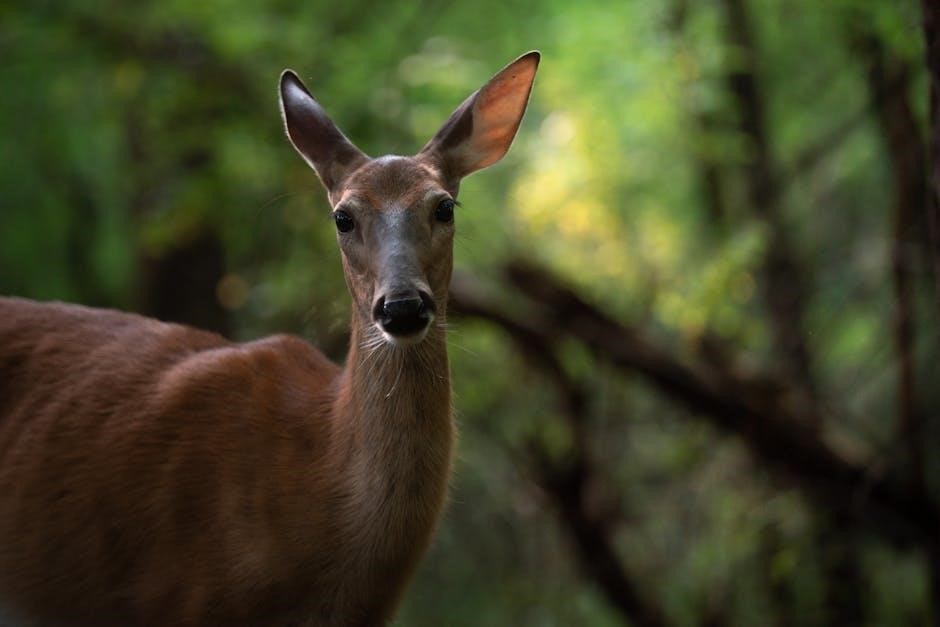
Maryland whitetail deer exhibit predictable behaviors influenced by factors like food sources, breeding season (the rut), and hunting pressure. Scouting reveals travel corridors, bedding areas, and preferred feeding locations – crucial for stand placement.
During the rut, bucks actively seek does, increasing daytime movement. Understanding wind direction is paramount, as deer rely heavily on their sense of smell. Recognizing rub lines and scrapes indicates buck activity. Observing patterns allows hunters to anticipate deer movement and increase their chances of a successful, ethical harvest within Maryland’s diverse landscapes.
Safety Precautions for Maryland Deer Hunting
Maryland deer hunting demands strict adherence to safety protocols. Always wear blaze orange clothing – a hat and vest are essential – to maximize visibility. Properly handle firearms, ensuring they are unloaded when not in use and pointed in a safe direction.
Inform others of your hunting location and expected return time. Utilize a tree stand safety harness and practice proper climbing techniques. Be aware of your surroundings and identify potential hazards. Never shoot unless you are certain of your target and beyond. Prioritize responsible gun handling and respect for the environment for a safe hunting experience.
Ethical Hunting Practices in Maryland
Maryland hunters are expected to uphold high ethical standards. Fair chase is paramount; avoid practices that give an unfair advantage. Respect private property and obtain necessary permissions before hunting. Practice responsible harvest, considering the impact on the deer population and adhering to Quality Deer Management (QDM) principles.
Make clean, ethical shots, striving for a quick and humane kill. Recover any wounded animals diligently. Avoid taking unnecessary risks and prioritize safety. Demonstrate respect for the land, wildlife, and fellow hunters, contributing to the preservation of Maryland’s hunting heritage.
Post-Harvest Game Care and Processing
Proper post-harvest care is crucial for preserving Maryland whitetail meat quality. Field dress the deer promptly, removing internal organs to cool the carcass quickly. Transport the deer legally and responsibly, adhering to Maryland regulations. Cool the carcass as rapidly as possible, ideally within a few hours, to prevent spoilage.
Processing options include home butchering or utilizing a professional meat processor. Ensure proper hygiene throughout the process. Aging the meat can enhance tenderness and flavor. Responsible handling and consumption of venison contribute to a rewarding hunting experience and sustainable wildlife management.
Resources for Maryland Hunters
Maryland hunters have access to numerous resources for a successful and informed experience. The Maryland Department of Natural Resources (DNR) website provides comprehensive information on regulations, licensing, and hunting seasons. Local hunting clubs and organizations offer valuable networking opportunities and educational programs.
Outfitters like Schraders Hunting, Nanticoke Outfitters, and Harrisons Outfitter Service provide guided hunts and expert knowledge of local hunting grounds. Online forums and communities connect hunters to share tips and experiences. Utilizing these resources ensures responsible, ethical, and enjoyable whitetail hunting in Maryland.
Future Trends in Maryland Whitetail Hunting
Maryland whitetail hunting is poised for continued evolution, driven by advancements in technology and a growing emphasis on conservation. Expect increased utilization of sophisticated trail camera systems and data analytics for improved scouting and stand placement. Quality Deer Management (QDM) practices will likely expand, fostering healthier herds and larger antler sizes.
Furthermore, a rise in guided hunts with outfitters specializing in mature buck management, like Nanticoke Outfitters, is anticipated. Hunters will increasingly prioritize ethical hunting and sustainable practices, ensuring the long-term health of Maryland’s whitetail population.
Contacting Maryland Hunting Authorities
For comprehensive information regarding Maryland hunting regulations, licenses, and permits, the Maryland Department of Natural Resources (DNR) is your primary resource. Their website, dnr.maryland.gov, provides detailed guides, season dates, and legal requirements for whitetail deer hunting.
You can also reach the Wildlife and Heritage Service directly via phone at 1-800-688-9453. Local county DNR offices offer regional support and assistance. Staying informed about updates and changes to hunting laws is crucial for a safe and legal hunting experience in Maryland. Always verify regulations before each hunt.
A successful Maryland whitetail hunt demands diligent preparation, respect for the land, and adherence to ethical hunting practices. Utilizing Quality Deer Management areas, like those offered by Eastern Shore outfitters, significantly increases your chances of harvesting a mature buck.
Scouting, understanding deer behavior, and employing trail cameras are vital components. Remember to prioritize safety, obtain necessary licenses, and familiarize yourself with current regulations. Whether you choose a guided experience or a solo venture, Maryland offers rewarding opportunities for dedicated hunters.